

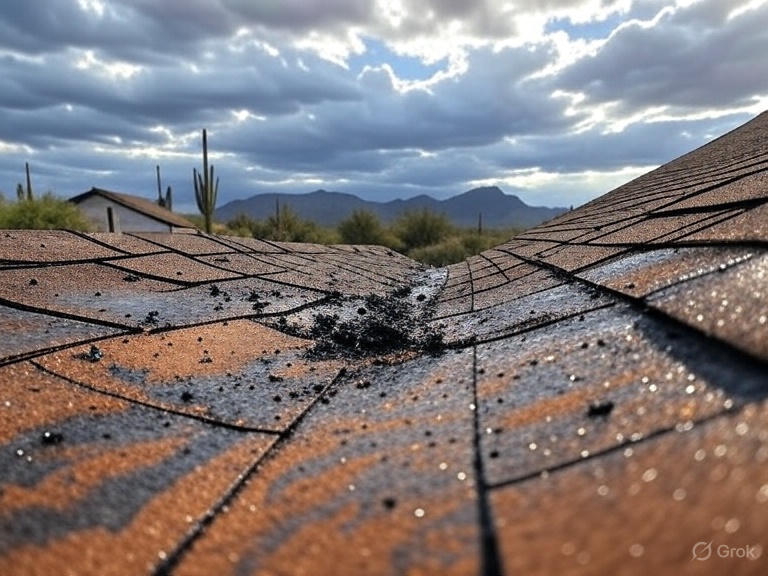
A roof leak emergency can strike without warning, especially during Arizona’s monsoon season. One minute, you’re enjoying the dry heat, and the next, a monsoon unleashes a torrent that finds its way inside your home. As a third-generation roofer at Roof Geeks, I’ve seen countless homeowners face this panic. But knowing what to do can turn a potential disaster into a manageable fix. Let’s walk through the steps to handle a roof leak emergency effectively, drawing from years of experience in Maricopa, Chandler, and Tucson.
Roof leaks don’t always announce themselves dramatically. Sometimes, it’s a subtle stain on the ceiling that grows after a storm. Other times, you hear dripping in the attic or notice damp spots on walls. In our desert climate, these signs often appear during or right after heavy rains, when wind-driven water exploits weak points. Ignoring them can lead to bigger issues like mold or structural weakening. That’s why early detection is key to avoiding escalated costs and headaches.
At Roof Geeks, we prioritize educating homeowners because knowledge empowers you to act fast. Imagine spotting a small water mark and knowing exactly what it means—that’s the edge we provide. Our team has handled emergencies where quick intervention prevented thousands of dollars in repairs. Whether it’s a flat roof in Chandler or a tiled roof in Tucson, understanding these indicators keeps your home safe.
If you’re dealing with a roof leak emergency now, take a breath. We’ll cover everything from initial signs to long-term prevention. Stick with Roof Geeks, and you’ll feel more confident tackling this head-on.
Recognizing the Signs of a Roof Leak Emergency
Spotting a roof leak early can save your home from serious harm. Look for water stains on ceilings—they often start as small brown spots but expand quickly. Dripping sounds during rain are another red flag, pointing to active infiltration. Damp walls or bulging paint suggest moisture buildup behind surfaces. In Arizona, these signs intensify after monsoons, when high winds push water under shingles or through cracks.
Don’t overlook musty odors either; they hint at hidden mold from ongoing leaks. Peeling wallpaper or warped floors downstairs can indicate upstairs issues. During inspections, I’ve found leaks masquerading as minor humidity problems. But in our hot, dry state, even small intrusions lead to big troubles fast.
One Chandler client called us after noticing a ceiling stain during a summer storm. What seemed minor turned out to be a flashing failure around the chimney. We caught it before it ruined their insulation. Ever noticed a tiny drip that turned into a big problem? Let’s catch it early with vigilant checks.
For professional help identifying these issues, explore our Roof Repair Services. Our experts use advanced tools to detect even the sneakiest leaks, ensuring your Arizona home stays dry.
Immediate Steps to Minimize Damage
When a leak starts, time is your enemy. First, locate the source if safe—check the attic for wet spots without risking a fall. Place buckets or containers under drips to catch water and prevent floor damage. Move furniture, electronics, and valuables away from affected areas. Cover items with plastic sheeting or tarps for extra protection.
Turn off electricity in the room if water nears outlets or fixtures—safety first. Open windows to improve ventilation and reduce humidity buildup. In Arizona’s climate, where monsoons bring sudden downpours, these steps buy precious time. I’ve arrived at scenes where simple actions like these limited damage to one room instead of the whole house.
Staying calm is crucial. Panic leads to mistakes, but methodical steps keep things under control. Think of this as a temporary umbrella for your home—let’s keep the damage small while help arrives.
Learn more about our rapid response team on our About Us page. We’re committed to helping Arizona families navigate these emergencies with care and efficiency.
Temporary Fixes While Waiting for Help
While professionals are on the way, some DIY measures can stem the tide. If accessible, climb to the roof safely and cover the suspected area with a heavy-duty tarp. Secure it with boards or sandbags to withstand winds. Roofing tape or sealant can patch small holes temporarily, but apply it only on dry surfaces for best hold.
Inside, poke a small hole in bulging ceilings to drain water into a bucket. This prevents sudden bursts. Avoid climbing on wet roofs—slips are common in emergencies. In Maricopa, during stormy nights, I’ve seen homeowners use these tricks to hold off until dawn.
These fixes are band-aids, not cures. They buy time, but pros handle the root cause. Got a tarp handy? Let’s patch it up for now, but I’ve got your back with lasting solutions.
For ongoing care that prevents such crises, check out our Roof Maintenance services. Regular checks keep minor issues from becoming emergencies.
Why a Quick Professional Response Matters
Delaying expert help invites trouble. Water seeps into wood, causing rot and weakening structures. Mold thrives in damp spots, posing health risks especially in Arizona’s variable humidity. Repair costs skyrocket as damage spreads— what starts as a $500 fix can balloon to thousands. Electrical issues from wet wiring add fire hazards too.
Ready for help? Reach out via our Contact page to schedule an urgent inspection. We’re here for Arizona’s roof leak emergencies, day or night.
Preventing Future Roof Leak Emergencies
The best emergency is the one that never happens. Schedule annual inspections to catch vulnerabilities early. Seal around penetrations like vents and chimneys— Arizona’s heat expands and contracts materials, creating gaps.
Prepare for seasons by trimming overhanging branches that could damage shingles in winds. Invest in quality materials suited to our desert.
There are many roof material options. Find out today what would best suit your needs!